
Blog

  • Stepping up activity if winter slowed you down

    Stepping up activity if winter slowed you down

    A close up of man's hand pointing a TV remote and sock-clad feet and legs in denim jeans up on a couch with TV in background showing beautiful blue skies, trees, and puffy clouds outside

    If you've been cocooning due to winter’s cold, who can blame you? But a lack of activity isn't good for body or mind during any season. And whether you're deep in the grip of winter or fortunate to be basking in signs of spring, today is a good day to start exercising. If you’re not sure where to start — or why you should — we’ve shared tips and answers below.

    Moving more: What’s in it for all of us?

    We’re all supposed to strengthen our muscles at least twice a week and get a total at least 150 minutes of weekly aerobic activity (the kind that gets your heart and lungs working). But fewer than 18% of U.S. adults meet those weekly recommendations, according to the CDC.

    How can choosing to become more active help? A brighter mood is one benefit: physical activity helps ease depression and anxiety, for example. And being sufficiently active — whether in short or longer chunks of time — also lowers your risk for health problems like

    • heart disease
    • stroke
    • diabetes
    • cancer
    • brain shrinkage
    • muscle loss
    • weight gain
    • poor posture
    • poor balance
    • back pain
    • and even premature death.

    What are your exercise obstacles?

    Even when we understand these benefits, a range of obstacles may keep us on the couch.

    Don’t like the cold? Have trouble standing, walking, or moving around easily? Just don’t like exercise? Don’t let obstacles like these stop you anymore. Try some workarounds.

    • If it’s cold outside: It’s generally safe to exercise when the mercury is above 32° F and the ground is dry. The right gear for cold doesn’t need to be fancy. A warm jacket, a hat, gloves, heavy socks, and nonslip shoes are a great start. Layers of athletic clothing that wick away moisture while keeping you warm can help, too. Consider going for a brisk walk or hike, taking part in an orienteering event, or working out with battle ropes ($25 and up) that you attach to a tree.
    • If you have mobility issues: Most workouts can be modified. For example, it might be easier to do an aerobics or weights workout in a pool, where buoyancy makes it easier to move and there’s little fear of falling. Or try a seated workout at home, such as chair yoga, tai chi, Pilates, or strength training. You’ll find an endless array of free seated workout videos on YouTube, but look for those created by a reliable source such as Silver Sneakers, or a physical therapist, certified personal trainer, or certified exercise instructor. Another option is an adaptive sports program in your community, such as adaptive basketball.
    • If you can’t stand formal exercise: Skip a structured workout and just be more active throughout the day. Do some vigorous housework (like scrubbing a bathtub or vacuuming) or yard work, climb stairs, jog to the mailbox, jog from the parking lot to the grocery store, or do any activity that gets your heart and lungs working. Track your activity minutes with a smartphone (most devices come with built-in fitness apps) or wearable fitness tracker ($20 and up).
    • If you’re stuck indoors: The pandemic showed us there are lots of indoor exercise options. If you’re looking for free options, do a body-weight workout, with exercises like planks and squats; follow a free exercise video online; practice yoga or tai chi; turn on music and dance; stretch; or do a resistance band workout. Or if it’s in the budget, get a treadmill, take an online exercise class, or work online with a personal trainer. The American Council on Exercise has a tool on its website to locate certified trainers in your area.

    Is it hard to find time to exercise?

    The good news is that any amount of physical activity is great for health. For example, a 2022 study found that racking up 15 to 20 minutes of weekly vigorous exercise (less than three minutes per day) was tied to lower risks of heart disease, cancer, and early death.

    "We don't quite understand how it works, but we do know the body's metabolic machinery that imparts health benefits can be turned on by short bouts of movement spread across days or weeks," says Dr. Aaron Baggish, founder of Harvard-affiliated Massachusetts General Hospital's Cardiovascular Performance Program and an associate professor of medicine at Harvard Medical School.

    And the more you exercise, Dr. Baggish says, the more benefits you accrue, such as better mood, better balance, and reduced risks of diabetes, high blood pressure, high cholesterol, and cognitive decline.

    What’s the next step to take?

    For most people, increasing activity is doable. If you have a heart condition, poor balance, muscle weakness, or you’re easily winded, talk to your doctor or get an evaluation from a physical therapist.

    And no matter which activity you select, ease into it. When you’ve been inactive for a while, your muscles are vulnerable to injury if you do too much too soon.

    “Your muscles may be sore initially if they are being asked to do more,” says Dr. Sarah Eby, a sports medicine specialist at Harvard-affiliated Spaulding Rehabilitation Hospital. “That’s normal. Just be sure to start low, and slowly increase your duration and intensity over time. Pick activities you enjoy and set small, measurable, and attainable goals, even if it’s as simple as walking five minutes every day this week.”

    Remember: the aim is simply exercising more than you have been. And the more you move, the better.

    About the Author

    photo of Heidi Godman

    Heidi Godman, Executive Editor, Harvard Health Letter

    Heidi Godman is the executive editor of the Harvard Health Letter. Before coming to the Health Letter, she was an award-winning television news anchor and medical reporter for 25 years. Heidi was named a journalism fellow … See Full Bio View all posts by Heidi Godman

    About the Reviewer
    photo of Howard E. LeWine, MD

    Howard E. LeWine, MD, Chief Medical Editor, Harvard Health Publishing; Editorial Advisory Board Member, Harvard Health Publishing

    Dr. Howard LeWine is a practicing internist at Brigham and Women’s Hospital in Boston, Chief Medical Editor at Harvard Health Publishing, and editor in chief of Harvard Men’s Health Watch. See Full Bio View all posts by Howard E. LeWine, MD

  • Life can be challenging: Build your own resilience plan

    Life can be challenging: Build your own resilience plan

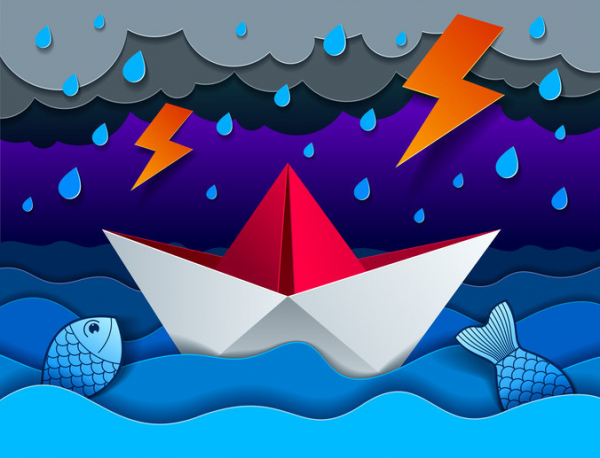
    Colorful paper cutouts of a thunderstorm at sea with dark clouds, lightening, fish jumping, and a red and white boat bobbing in the waves; concept is resilience

    Nantucket, a beautiful, 14-mile-long island off the coast of Massachusetts, has a 40-point resiliency plan to help withstand the buffeting seas surrounding it as climate change takes a toll. Perhaps we can all benefit from creating individual resilience plans to help handle the big and small issues that erode our sense of well-being. But what is resilience and how do you cultivate it?

    What is resilience?

    Resilience is a psychological response that helps you adapt to life’s difficulties and seek a path forward through challenges.

    “It’s a flexible mindset that helps you adapt, think critically, and stay focused on your values and what matters most,” says Luana Marques, an associate professor of psychiatry at Harvard Medical School.

    While everyone has the ability to be resilient, your capacity for resilience can take a beating over time from chronic stress, perhaps from financial instability or staying in a job you dislike. The longer you’re in that situation, the harder it becomes to cope with it.

    Fortunately, it’s possible to cultivate resilience. To do so, it helps to exercise resiliency skills as often as possible, even for minor stressors. Marques recommends the following strategies.

    Shift your thoughts

    In stressful situations, try to balance out your thoughts by adopting a broader perspective. “This will help you stop using the emotional part of your brain and start using the thinking part of your brain. For example, if you’re asking for a raise and your brain says you won’t get it, think about the things you’ve done in your job that are worthy of a raise. You’ll slow down the emotional response and shift your mindset from anxious to action,” Marques says.

    Approach what you want

    “When you’re anxious, stressed, or burned out, you tend to avoid things that make you uncomfortable. That can make you feel stuck,” Marques says. “What you need to do is get out of your comfort zone and take a step toward the thing you want, in spite of fear.”

    For example: If you’re afraid of giving a presentation, create a PowerPoint and practice it with colleagues. If you’re having conflict at home, don’t walk away from your partner — schedule time to talk about what’s making you upset.

    Align actions with your values

    “Stress happens when your actions are not aligned with your values — the things that matter most to you or bring you joy. For example, you might feel stressed if you care most about your family but can’t be there for dinner, or care most about your health but drink a lot,” Marques says.

    She suggests that you identify your top three values and make sure your daily actions align with them. If being with family is one of the three, make your time with them a priority — perhaps find a way to join them for a daily meal. If you get joy from a clean house, make daily tidying a priority.

    Tips for success

    Practice the shift, approach, and align strategies throughout the week. “One trick I use is looking at my calendar on Sunday and checking if my actions for the week are aligned with my values. If they aren’t, I try to change things around,” Marques says.

    It’s also important to live as healthy a lifestyle as possible, which will help keep your brain functioning at its best.

    Healthy lifestyle habits include:

    • getting seven to nine hours of sleep per night
    • following a healthy diet, such as a Mediterranean-style diet
    • aiming for at least 150 minutes of moderate-intensity activities (such as brisk walking) each week — and adding on strength training at least twice a week
    • if you drink alcohol, limiting yourself to no more than one drink per day for women and two drinks per day for men
    • not smoking
    • staying socially connected, whether in person, by phone or video calls, social media, or even text messages.

    Need resilience training?

    Even the best athletes have coaches, and you might benefit from resilience training.

    Consider taking an online course, such as this one developed by Luana Marques. Or maybe turn to a therapist online or in person for help. Look for someone who specializes in cognitive behavioral therapy, which guides you to redirect negative thoughts to positive or productive ones.

    Just don’t put off building resilience. Practicing as you face day-to-day stresses will help you learn skills to help navigate when dark clouds roll in and seas get rough.

    About the Author

    photo of Heidi Godman

    Heidi Godman, Executive Editor, Harvard Health Letter

    Heidi Godman is the executive editor of the Harvard Health Letter. Before coming to the Health Letter, she was an award-winning television news anchor and medical reporter for 25 years. Heidi was named a journalism fellow … See Full Bio View all posts by Heidi Godman

    About the Reviewer

    photo of Howard E. LeWine, MD

    Howard E. LeWine, MD, Chief Medical Editor, Harvard Health Publishing; Editorial Advisory Board Member, Harvard Health Publishing

    Dr. Howard LeWine is a practicing internist at Brigham and Women’s Hospital in Boston, Chief Medical Editor at Harvard Health Publishing, and editor in chief of Harvard Men’s Health Watch. See Full Bio View all posts by Howard E. LeWine, MD

  • A muscle-building obsession in boys: What to know and do

    A muscle-building obsession in boys: What to know and do

    A shadowy, heavily-muscled superhero in a red cape strikes an action pose against a red and orange background; concept is body dysmorphic disorder

    By the time boys are 8 or 10, they’re steeped in Marvel action heroes with bulging, oversized muscles and rock-hard abs. By adolescence, they’re deluged with social media streams of bulked-up male bodies.

    The underlying messages about power and worth prompt many boys to worry and wonder about how to measure up. Sometimes, negative thoughts and concerns even interfere with daily life, a mental health issue known body dysmorphic disorder, or body dysmorphia. The most common form of this in boys is muscle dysmorphia.

    What is muscle dysmorphia?

    Muscle dysmorphia is marked by preoccupation with a muscular and lean physique. While the more extreme behaviors that define this disorder appear only in a small percentage of boys and young men, it may color the mindset of many more.

    Nearly a quarter of boys and young men engage in some type of muscle-building behaviors. “About 60% of young boys in the United States mention changing their diet to become more muscular,” says Dr. Gabriela Vargas, director of the Young Men’s Health website at Boston Children’s Hospital. “While that may not meet the diagnostic criteria of muscle dysmorphia disorder, it’s impacting a lot of young men.”

    “There’s a social norm that equates muscularity with masculinity,” Dr. Vargas adds. “Even Halloween costumes for 4- and 5-year-old boys now have padding for six-pack abs. There’s constant messaging that this is what their bodies should look like.”

    Does body dysmorphic disorder differ in boys and girls?

    Long believed to be the domain of girls, body dysmorphia can take the form of eating disorders such as anorexia or bulimia. Technically, muscle dysmorphia is not an eating disorder. But it is far more pervasive in males — and insidious.

    “The common notion is that body dysmorphia just affects girls and isn’t a male issue,” Dr. Vargas says. “Because of that, these unhealthy behaviors in boys often go overlooked.”

    What are the signs of body dysmorphia in boys?

    Parents may have a tough time discerning whether their son is merely being a teen or veering into dangerous territory. Dr. Vargas advises parents to look for these red flags:

    • Marked change in physical routines, such as going from working out once a day to spending hours working out every day.
    • Following regimented workouts or meals, including limiting the foods they’re eating or concentrating heavily on high-protein options.
    • Disrupting normal activities, such as spending time with friends, to work out instead.
    • Obsessively taking photos of their muscles or abdomen to track “improvement.”
    • Weighing himself multiple times a day.
    • Dressing to highlight a more muscular physique, or wearing baggier clothes to hide their physique because they don’t think it’s good enough.

    “Nearly everyone has been on a diet,” Dr. Vargas says. “The difference with this is persistence — they don’t just try it for a week and then decide it’s not for them. These boys are doing this for weeks to months, and they’re not flexible in changing their behaviors.”

    What are the health dangers of muscle dysmorphia in boys?

    Extreme behaviors can pose physical and mental health risks.

    For example, unregulated protein powders and supplements boys turn to in hopes of quickly bulking up muscles may be adulterated with stimulants or even anabolic steroids. “With that comes an increased risk of stroke, heart palpitations, high blood pressure, and liver injury,” notes Dr. Vargas.

    Some boys also attempt to gain muscle through a “bulk and cut” regimen, with periods of rapid weight gain followed by periods of extreme calorie limitation. This can affect long-term muscle and bone development and lead to irregular heartbeat and lower testosterone levels.

    “Even in a best-case scenario, eating too much protein can lead to a lot of intestinal distress, such as diarrhea, or to kidney injury, since our kidneys are not meant to filter out excessive amounts of protein,” Dr. Vargas says.

    The psychological fallout can also be dramatic. Depression and suicidal thoughts are more common in people who are malnourished, which may occur when boys drastically cut calories or neglect entire food groups. Additionally, as they try to achieve unrealistic ideals, they may constantly feel like they’re not good enough.

    How can parents encourage a healthy body image in boys?

    These tips can help:

    • Gather for family meals. Schedules can be tricky. Yet considerable research shows physical and mental health benefits flow from sitting down together for meals, including a greater likelihood of children being an appropriate weight for their body type.
    • Don’t comment on body shape or size. “It’s a lot easier said than done, but this means your own body, your child’s, or others in the community,” says Dr. Vargas.
    • Frame nutrition and exercise as meaningful for health. When you talk with your son about what you eat or your exercise routine, don’t tie hoped-for results to body shape or size.
    • Communicate openly. “If your son says he wants to exercise more or increase his protein intake, ask why — for his overall health, or a specific body ideal?”
    • Don’t buy protein supplements. It’s harder for boys to obtain them when parents won’t allow them in the house. “One alternative is to talk with your son’s primary care doctor or a dietitian, who can be a great resource on how to get protein through regular foods,” Dr. Vargas says.

    About the Author

    photo of Maureen Salamon

    Maureen Salamon, Executive Editor, Harvard Women's Health Watch

    Maureen Salamon is executive editor of Harvard Women’s Health Watch. She began her career as a newspaper reporter and later covered health and medicine for a wide variety of websites, magazines, and hospitals. Her work has … See Full Bio View all posts by Maureen Salamon

    About the Reviewer

    photo of Howard E. LeWine, MD

    Howard E. LeWine, MD, Chief Medical Editor, Harvard Health Publishing; Editorial Advisory Board Member, Harvard Health Publishing

    Dr. Howard LeWine is a practicing internist at Brigham and Women’s Hospital in Boston, Chief Medical Editor at Harvard Health Publishing, and editor in chief of Harvard Men’s Health Watch. See Full Bio View all posts by Howard E. LeWine, MD
  • Is the portfolio diet the best diet ever?

    Is the portfolio diet the best diet ever?

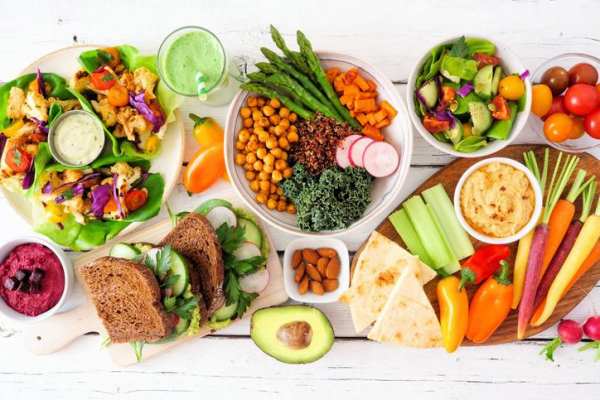
    White table with healthy plant-based foods including Buddha bowl, lettuce wraps, colorful vegetables, grains, legumes, and dips

    News flash: What we eat can play a pivotal role in warding off — or treating — disease and enhancing quality of life. You may already believe this, and certainly mounting evidence supports that idea. But on the cluttered shelf of diets claiming top health benefits, which one ranks as the absolute best?

    That’s a trick question. In fact, there is no single best diet. A good diet for me may be different from what’s best for you. And for either of us, there may be several good choices with no clear winner.

    How can you choose the right diet for you?

    When thinking about what diet might be best for you, ask yourself:

    • What goals are most important? A goal might be weight loss, improved health, avoiding disease, or something else.
    • How do you define “best”? For some people, best means the diet with the highest number of health benefits. For others, it may focus on one specific health benefit, such as lowering cholesterol. Still other people may prefer a diet that delivers the greatest benefit for the lowest cost. Or a diet that is healthy and also easy to stick with.
    • What health problems do you have? One diet may have an advantage over another depending on whether you have cancer, cardiovascular disease, diabetes, or none of these.
    • Which foods do you like best? Your tastes, culture, and location may shape your dietary preferences, and powerfully affect how likely you are to stick with a specific diet.

    Which diets are high in health benefits?

    Two very well studied diets demonstrate clear benefit, including lowering risk for heart disease and stroke and reducing high blood pressure: the Mediterranean diet and the DASH diet.

    But the portfolio diet may be as good as or better than these plans, at least for combatting cardiovascular disease that contributes to clogged blood vessels, heart attacks, and stroke. What? You’ve never heard of the portfolio diet? You’re not alone.

    What is the portfolio diet?

    Just as a financial advisor may recommend having a diverse investment portfolio — not just stocks, not just bonds — the portfolio diet follows suit. This largely plant-based diet focuses on diverse foods and food groups proven to lower harmful blood lipids, including LDL (so-called bad cholesterol) and triglycerides.

    If you choose to follow this eating pattern, you simply need to learn which foods have a healthy effect on blood lipids and choose them in place of other foods. For some people, this only requires small tweaks to embrace certain foods while downplaying other choices. Or it may call for a bigger upheaval of longtime eating patterns.

    Which foods are encouraged in the portfolio diet?

    Below are the basics. Eating more of these foods regularly may help lower levels of harmful blood lipids:

    • plant-based proteins such as soy, beans, tofu, peas, nuts, and seeds
    • high-fiber foods such as oats, barley, berries, apples, and citrus fruit; other examples include bran, berries, okra, and eggplant
    • phytosterols, which are a natural compound in plant-based foods such as whole grains, fruits, vegetables, and nuts (other sources are foods fortified with phytosterols or dietary supplements)
    • plant-based oils high in monounsaturated fat such as olive oil, avocado oil, safflower oil, and peanut oil.

    See? Some of your favorite foods make the cut. That’s a major strength of this approach: the list of recommended foods is long. So, it’s likely that you’re already eating and enjoying some of the recommended foods.

    Which foods are not part of the portfolio diet?

    It’s worth highlighting foods that are not on this list, such as

    • red meat
    • highly processed foods
    • refined grains and added sugar, which may contribute to chronic inflammation
    • butter, cream, and other dairy products high in saturated fat and cholesterol.

    What can the portfolio diet do for you?

    Researchers have shown that the portfolio diet can improve blood lipids. But can it also lower the risk of heart attack, stroke, and other cardiovascular problems?

    Yes, according to a 2023 study published in Circulation. More than nearly 17,000 people kept careful food diaries for 30 years. Those who most closely followed the portfolio diet, compared with those who followed it the least, were more likely to have favorable lipids and inflammation. They were also 14% less likely to have a heart attack, and 14% less likely to have a stroke.

    This was true even after accounting for factors that could affect cardiovascular disease risk, such as taking cholesterol-lowering medications, exercise, smoking, or having diabetes or a family history of cardiovascular disease.

    Because this was an observational study, it can’t conclusively prove that the portfolio diet, rather than another factor, was responsible for the observed cardiovascular benefits. And we don’t know how much benefit came from reducing or eliminating certain types of foods, rather than from the specific foods eaten.

    Does the portfolio diet help people lose weight or deliver other health advantages?

    What about the portfolio diet for weight loss? Although some people lose weight on the portfolio diet, it’s not billed as a weight-loss diet. Understanding its potential benefit for other conditions such as obesity, cognitive decline, diabetes, and cancer awaits further research.

    Go beyond diet to boost health

    Of course, diet is not the only way to improve cardiovascular health and your overall health. You’ll stay healthier by

    • not smoking
    • getting regular exercise
    • maintaining a healthy blood pressure and weight
    • preventing diabetes when possible, or getting good medical care to treat it if necessary
    • taking prescribed medications such as cholesterol-lowering drugs.

    The bottom line

    It’s probably best to move past the idea of there being a single best diet. The overall pattern of your diet and your portion sizes are probably more important. For most people, it’s also a good idea to move away from restrictive diets that are nearly impossible to stick with and toward healthier overall eating patterns. The portfolio diet checks both those boxes.

    There’s a lot of overlap between the portfolio diet and other healthy diets. So, no one should be suggesting it’s the best diet ever. But if you’re trying to eat healthier, it’s a great place to start.

    About the Author

    photo of Robert H. Shmerling, MD

    Robert H. Shmerling, MD, Senior Faculty Editor, Harvard Health Publishing; Editorial Advisory Board Member, Harvard Health Publishing

    Dr. Robert H. Shmerling is the former clinical chief of the division of rheumatology at Beth Israel Deaconess Medical Center (BIDMC), and is a current member of the corresponding faculty in medicine at Harvard Medical School. … See Full Bio View all posts by Robert H. Shmerling, MD

  • Winter hiking: Magical or miserable?

    Winter hiking: Magical or miserable?

    Winter hiker, viewed from waist down, wearing blue snowpants and walking on a snowy trail between pine trees

    By midwinter, our urge to hibernate can start to feel constricting instead of cozy. What better antidote to being cooped up indoors than a bracing hike in the crisp air outdoors?

    Winter backdrops are stark, serene, and often stunning. With fewer people on the trail, you may spot more creatures out and about. And it’s a prime opportunity to engage with the seasons and our living planet around us, says Dr. Stuart Harris, chief of the Division of Wilderness Medicine at Massachusetts General Hospital. But a multi-mile trek through rough, frosty terrain is far different than warm-weather hiking, requiring consideration of health and safety, he notes. Here’s what to know before you go.

    Winter hiking: Safety first

    “The challenge of hiking when environmental conditions are a little more demanding requires a very different approach on a winter’s day as opposed to a summer’s day,” Dr. Harris says. “But it gives us a chance to be immersed in the living world around us. It’s our ancient heritage.”

    A safety-first attitude is especially important if you’re hiking with others of different ages and abilities — say, with older relatives or small children. It’s crucial to have both the right gear and the right mindset to make it enjoyable and safe for all involved.

    Planning and preparation for winter hikes

    Prepare well beforehand, especially if you’re mixing participants with vastly different fitness levels. Plan your route carefully, rather than just winging it.

    People at the extremes of age — the very old or very young — are most vulnerable to frigid temperatures, and cold-weather hiking can be more taxing on the body. “Winter conditions can be more demanding on the heart than a perfectly-temperatured day,” Harris says. “Be mindful of the physical capabilities of everyone in your group, letting this define where you go. It’s supposed to be fun, not a punishing activity.”

    Before setting out:

    • Know how far, high, and remote you’re going to go, Dr. Harris advises, and check the forecast for the area where you’ll be hiking, taking wind chill and speed into account. Particularly at higher altitudes, weather can change from hour to hour, so keep abreast of expectations for temperature levels and any precipitation.
    • Know if you’ll have access to emergency cell coverage if anything goes wrong.
    • Always share plans with someone not on your hike, including expected route and time you’ll return. Fill out trailhead registers so park rangers will also know you’re on the trail in case of emergency.

    What to wear for winter hikes

    Prepare for extremes of cold, wind, snow, and even rain to avoid frostbite or hypothermia, when body temperature drops dangerously low.

    • Dress in layers. Several thin layers of clothing are better than one thick one. Peel off a layer when you’re feeling warm in high sun and add it back when in shadow. Ideally, wear a base layer made from wicking fabric that can draw sweat away from the skin, followed by layers that insulate and protect from wind and moisture. “As they say, there’s no bad weather, just inappropriate clothing,” Dr. Harris says. “Take a day pack or rucksack and throw a couple of extra thermal layers in. I never head out for any hike without some ability to change as the weather changes.”
    • Protect head, hands, and feet. Wear a wool hat, a thick pair of gloves or mittens, and two pairs of socks. Bring dry spares. Your boots should be waterproof and have a rugged, grippy sole.
    • Wear sunscreen. You can still get a sunburn in winter, especially in places where the sun’s glare reflects off the snow.

    Carry essentials to help ensure safety

    • Extra food and water. Hiking in the cold takes serious energy, burning many more calories than the same activity done in summer temperatures. Pack nutrient-dense snacks such as trail mix and granola bars, which often combine nuts, dried fruit, and oats to provide needed protein, fat, and calories. It’s also key to stay hydrated to keep your core temperature normal. Bonus points for bringing a warm drink in a thermos to warm your core if you’re chilled.
    • First aid kit. Bandages for slips or scrapes on the trail and heat-reflecting blankets to cover someone showing signs of hypothermia are wise. Even in above-freezing temperatures, hypothermia is possible. Watch for signs such as shivering, confusion, exhaustion, or slurring words, and seek immediate help.
    • Light source. Time your hike so you’re not on the trail in darkness. But bring a light source in case you get stuck. “A flashlight or headlamp is pretty darn useful if you’re hiking anywhere near the edges of daylight,” Harris says.
    • Phone, map, compass, or GPS device plus extra batteries. Don’t rely on your phone for GPS tracking, but fully charge it in case you need to reach someone quickly. “Make sure that you have the technology and skill set to be able to navigate on- or off-trail,” Harris says, “and that you have a means of outside communication, especially if you’re in a large, mixed group.”

    About the Author

    photo of Maureen Salamon

    Maureen Salamon, Executive Editor, Harvard Women's Health Watch

    Maureen Salamon is executive editor of Harvard Women’s Health Watch. She began her career as a newspaper reporter and later covered health and medicine for a wide variety of websites, magazines, and hospitals. Her work has … See Full Bio View all posts by Maureen Salamon

  • Flowers, chocolates, organ donation — are you in?

    Flowers, chocolates, organ donation — are you in?

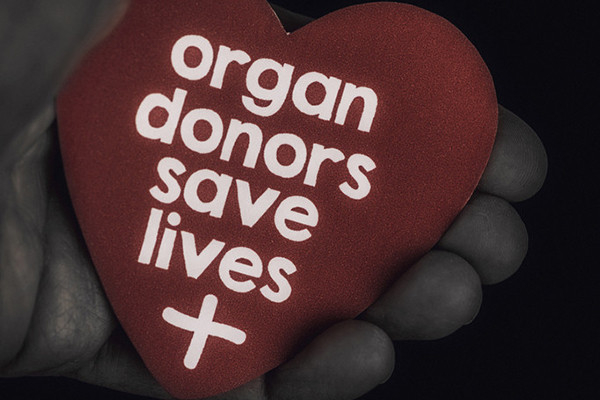
    photo illustration of a heart shape in dark red with the words organ donors save lives on it in white

    Chocolates and flowers are great gifts for Valentine’s Day. But what if the gifts we give then or throughout the year could be truly life-changing? A gift that could save a life or free someone from dialysis?

    You can do this. For people in need of an organ, tissue, or blood donation, a donor can give them a gift that exceeds the value of anything that you can buy. Fittingly, Valentine’s Day is also known as National Donor Day, a time for blood drives and sign-ups for organ and tissue donation. Have you ever wondered what can be donated? Had reservations about donating after death or concerns about risks for live donors? Read on.

    The enormous impact of organ, tissue, or cell donation

    Imagine you have kidney failure requiring dialysis 12 or more hours each week just to stay alive. Even with this, you know you’re still likely to die a premature death. Or, if your liver is failing, you may experience severe nausea, itching, and confusion; death may only be a matter of weeks or months away. For those with cancer in need of a bone marrow transplant, or someone who’s lost their vision due to corneal disease, finding a donor may be their only good option.

    Organ or tissue donation can turn these problems around, giving recipients a chance at a long life, a better quality of life, or both. And yet, the number of people who need organ donation far exceeds compatible donors. While national surveys have found about 90% of Americans support organ donation, only 40% have signed up. More than 103,000 women, men, and children are awaiting an organ transplant in the US. About 6,200 die each year, still waiting.

    What can you donate?

    The list of ways to help has grown dramatically. Some organs, tissues, or cells can be donated while you’re alive; other donations are only possible after death. A single donor can help more than 80 people!

    After death, people can donate:

    • bone, cartilage, and tendons
    • corneas
    • face and hands (though uncommon, they are among the newest additions to this list)
    • kidneys
    • liver
    • lungs
    • heart and heart valves
    • stomach and intestine
    • nerves
    • pancreas
    • skin
    • arteries and veins.

    Live donations may include:

    • birth tissue, such as the placenta, umbilical cord, and amniotic fluid, which can be used to help heal skin wounds or ulcers and prevent infection
    • blood cells, serum, or bone marrow
    • a kidney
    • part of a lung
    • part of the intestine, liver, or pancreas.

    To learn more about different types of organ donations, visit Donate Life America.

    Becoming a donor after death: Questions and misconceptions

    Common misconceptions about becoming an organ donor limit the number of people who are willing to sign up. For example, many people mistakenly believe that

    • doctors won’t work as hard to save your life if you’re known to be an organ donor — or worse, doctors will harvest organs before death
    • their religion forbids organ donation
    • you cannot have an open-casket funeral if you donate your organs.

    None of these is true, and none should discourage you from becoming an organ donor. Legitimate medical professionals always keep the patient’s interests front and center. Care would never be jeopardized due to a person’s choices around organ donation. Most major religions allow and support organ donation. If organ donation occurs after death, the clothed body will show no outward signs of organ donation, so an open-casket funeral is an option for organ donors.

    Live donors: Blood, bone marrow, and organs

    Have you ever donated blood? Congratulations, you’re a live donor! The risk for live donors varies depending on the intended donation, such as:

    • Blood, platelets, or plasma: If you’re donating blood or blood products, there is little or no risk involved.
    • Bone marrow: Donating bone marrow requires a minor surgical procedure. If general anesthesia is used, there is a chance of a reaction to the anesthesia. Bone marrow is removed through needles inserted into the back of the pelvis bones on each side. Back or hip pain is common, but can be controlled with pain relievers. The body quickly replaces the bone marrow removed, so no long-term problems are expected.
    • Stem cells: Stem cells are found in bone marrow or umbilical cord blood. They also appear in small numbers in our blood and can be donated through a process similar to blood donation. This takes about seven or eight hours. Filgrastim, a medication that increases stem cell production, is given for a number of days beforehand. It can cause side effects such as flulike symptoms, bone pain, and fatigue, but these tend to resolve soon after the procedure.
    • Kidney, lung, or liver: Surgery to donate a kidney or a portion of a lung or liver comes with a risk of complications, reactions to anesthesia, and significant recovery time. It’s no small matter to give a kidney, or part of a lung or liver.

    The vast number of live organ donations occur without complications, and donors typically feel quite positive about the experience.

    Who can donate?

    Almost anyone can donate blood cells –– including stem cells –– or be a bone marrow, tissue, or organ donor. Exceptions include anyone with active cancer, widespread infection, or organs that aren’t healthy.

    What about age? By itself, your age does not disqualify you from organ donation. In 2023, two out of five people donating organs were over 50. People in their 90s have donated organs upon their deaths and saved the lives of others.

    However, bone marrow transplants may fail more often when the donor is older, so bone marrow donations by people over age 55 or 60 are usually avoided.

    Finding a good match: Immune compatibility

    For many transplants, the best results occur when there is immune compatibility between the donor and recipient. Compatibility is based largely on HLA typing, which analyzes genetically-determined proteins on the surface of most cells. These proteins help the immune system identify which cells qualify as foreign or self. Foreign cells trigger an immune attack; cells identified as self should not.

    HLA typing can be done by a blood test or cheek swab. Close relatives tend to have the best HLA matches, but complete strangers may be a good match as well.

    Fewer donors among people with certain HLA types make finding a match more challenging. Already existing health disparities, such as higher rates of kidney disease among Black Americans and communities of color, are worsened by lower numbers of donors from these communities, an inequity partly driven by a lack of trust in the medical system.

    The bottom line

    You can make an enormous impact by becoming a donor during your life or after death. In the US, you must opt in to be a donor after death. (Research suggests the opt-out approach many other countries use could significantly increase rates of organ donation in this country.)

    I’m hopeful that organ donation in the US and throughout the world will increase over time. While you can still go with chocolates for Valentine’s Day, maybe this year you can also go bigger and become a donor.

    About the Author

    photo of Robert H. Shmerling, MD

    Robert H. Shmerling, MD, Senior Faculty Editor, Harvard Health Publishing; Editorial Advisory Board Member, Harvard Health Publishing

    Dr. Robert H. Shmerling is the former clinical chief of the division of rheumatology at Beth Israel Deaconess Medical Center (BIDMC), and is a current member of the corresponding faculty in medicine at Harvard Medical School. … See Full Bio View all posts by Robert H. Shmerling, MD

  • Alcohol and your health: Risks, benefits, and controversies

    Alcohol and your health: Risks, benefits, and controversies

    Rows of glasses hang upside down above a dimly lit bar, while a row of liquor bottles is visible in the background but out of focus.

    Cheers! Salud! Prost!

    Drinking to one’s health is a common tradition. But it may also be self-defeating: the alcohol that’s part of many toasts can actually harm your health.

    Of course, alcohol consumption extends well past toasts. For millions of people, it’s a regular part of the dining experience, social and sports events, celebrations, and milestones. Alcohol plays a key role in many religious traditions. And the alcoholic beverage industry is a major economic force, responsible for more than $250 billion in sales annually in the US.

    But there are many downsides to drinking: some are likely familiar (spoiler alert: it’s not great for your liver) while others are less well appreciated. And concerns about the risks of even moderate drinking are on the rise.

    The negative effects of alcohol

    Here are some of the most common problems associated with alcohol consumption (especially if excessive):

    • liver disease, including cirrhosis and life-threatening liver failure requiring a liver transplant
    • a higher risk of high blood pressure, heart failure, and dementia
    • an increased risk of cancer (more on this below)
    • a higher risk of injury, especially from drunk driving and falls (homicides and suicides are also often alcohol-related)
    • lapses in judgment — for example, people who are drunk may engage in risky sexual behavior or use other drugs
    • an increased risk of depression, anxiety, and addiction: these problems may impact one’s ability to establish and maintain social relationships and employment
    • fetal alcohol syndrome: alcohol can damage a baby’s developing brain and cause other developmental abnormalities
    • alcohol poisoning: many people don’t realize that if you drink enough alcohol over a short period of time, it can be fatal.

    Heavy drinking can also cause problems well beyond the health of the drinker — it can damage important relationships. It’s all too common that problem drinking disrupts bonds with a spouse, family members, friends, coworkers, or employers.

    Alcohol and cancer: A growing concern

    In recent decades, a number of studies have linked drinking to higher rates of cancer, including cancers involving the

    • liver
    • colon
    • breast
    • mouth
    • throat and esophagus.

    In many cases, even moderate drinking (defined below) appears to increase risk. Despite this, less than half of the US public is aware of any alcohol-cancer connection. That’s why the Surgeon General issued an advisory in January 2025 recommending that alcoholic beverages carry new labels warning of the alcohol-cancer link and highlighting that no safe low level of alcohol consumption has been established. Changing the labels as suggested by the Surgeon General will require congressional action that may never happen.

    Current alcoholic beverage labels in the US warn of the risks of driving under the influence of alcohol, adverse effects on general health, and risks for a developing fetus — but there’s no mention of cancer.

    Are there any health benefits to drinking alcohol?

    Alcohol has long been considered a “social lubricant” because drinking may encourage social interaction. Having a drink while getting together with family or friends is often part of many special occasions.

    And not so long ago there was general consensus that drinking in moderation also came with health advantages, including a reduced risk of cardiovascular disease and diabetes. More recently, this belief has been called into question.

    Even among the positive studies, potential health benefits are often quite small. In addition, alcohol may reduce the risk of one condition (such as cardiovascular disease) while increasing the risk of another (such as cancer). So it’s hard to predict who might actually benefit and who may be harmed more than helped by alcohol consumption. And the balance of risk and benefit likely varies from person to person, based on individual factors such as genetics and lifestyle factors.

    Is drinking some alcohol better than drinking none?

    A number of studies suggest the answer may be yes. For example, a 2018 study found that light drinkers (those consuming one to three drinks per week) had lower rates of cancer or death than those drinking less than one drink per week or none at all.

    More recent studies (all published in 2023) came to similar conclusions. For example:

    • A study of nearly a million people followed for more than 12 years found that abstainers had higher rates of death and chronic disease (including cardiovascular disease, Alzheimer’s disease, and chronic lung disease) than light or moderate drinkers.
    • Researchers reporting on more than half a million people found that nondrinkers had higher rates of death than moderate drinkers.
    • An analysis combining findings from 22 prior studies concluded that people who drank wine had lower rates of cardiovascular disease and related death than those who did not.

    By contrast, another 2023 study found similar rates of death between nondrinkers and light to moderate drinkers.

    It’s worth noting that current guidelines advise against drinking alcohol as a way to improve health.

    How much alcohol is too much?

    The answer to this important question has varied over time, but current US guidelines recommend that men who drink should limit intake to two drinks/day or less and women who drink should have no more than one drink/day. The definitions for a drink in the US are the common serving sizes for beer (12 ounces), wine (5 ounces), or distilled spirits/hard liquor (1.5 ounces).

    A number of experts have recommended revision of the guidelines toward lower amounts, as more studies have linked even moderate alcohol consumption to health risks. Predictably, the alcoholic beverage industry opposes more restrictive guidelines.

    Of course, no one needs to wait for new guidelines or warning labels to curb their drinking. Many are exploring ways to cut back, including the Dry January Challenge or alcohol-free drinks.

    What we don’t know: The significant limitations of alcohol-related health research

    Nearly all large studies regarding alcohol’s impact on health assess associations, not causation. So a higher rate of certain cancers may be associated with more alcohol consumption, but that doesn’t prove alcohol caused the cancer.

    In addition, most rely on self-reporting that may be inaccurate, do not analyze binge drinking, do not assess alcohol consumption over a lifetime, or do not account for the fact that some study subjects may change their alcohol consumption due to alcohol-related health problems. These limitations make it hard to know how much to rely on studies that find health risks (or benefits) to alcohol consumption.

    The bottom line

    Assessing the risks and benefits of alcohol consumption remains an active area of research that may lead to major changes in official guidelines or warning labels.

    But here’s one thing that hasn’t changed: many people like to drink. Even with more restrictive guidelines or new warning labels, it’s likely that plenty of folks will accept the risks of drinking alcohol. Still, it’s important to know what those risks are.

    So, stay tuned. You can expect to hear about more research, debate, and controversy in the near future regarding the potential risks and benefits of drinking, and how much — if any — is ideal.

    About the Author

    photo of Robert H. Shmerling, MD

    Robert H. Shmerling, MD, Senior Faculty Editor, Harvard Health Publishing; Editorial Advisory Board Member, Harvard Health Publishing

    Dr. Robert H. Shmerling is the former clinical chief of the division of rheumatology at Beth Israel Deaconess Medical Center (BIDMC), and is a current member of the corresponding faculty in medicine at Harvard Medical School. … See Full Bio View all posts by Robert H. Shmerling, MD

  • Supporting a loved one with prostate cancer: A guide for caregivers

    Supporting a loved one with prostate cancer: A guide for caregivers

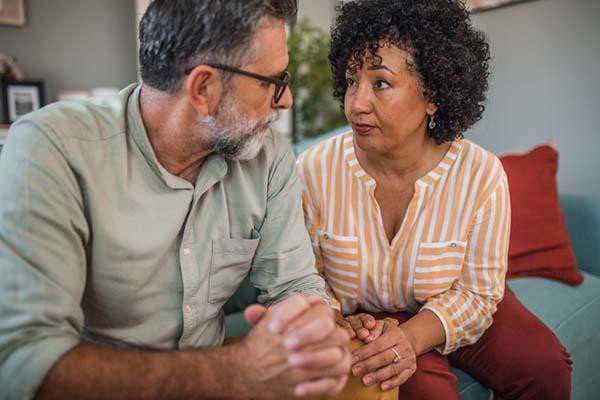
    A middle-age couple having a serious conversation while sitting on the couch in their home; the husband has his hands clasped together and the wife looks sympathetic as she listens to him.

    Looking after a loved one who has prostate cancer can be overwhelming. Caregivers — usually partners, family members, or close friends — play crucial roles in supporting a patient's physical and psychological well-being. But what does that entail? You as a caregiver might not know what to say or how to help.

    "Patients diagnosed with advanced cancer are facing their own mortality," says Dr. Marc Garnick, the Gorman Brothers Professor of Medicine at Harvard Medical School and Beth Israel Deaconess Medical Center, and editor in chief of the Harvard Medical School Guide to Prostate Diseases. "And they each process that in different ways."

    Dr. Garnick emphasizes the need provide patients and families with the best information possible about the specifics of the diagnosis, symptoms, and available treatments. Some patients have near-miraculous responses to treatment, he says, even when they have very advanced cancer. "We let patients know that there are reasons to be optimistic, as treatments are improving on a regular basis," he says.

    Communication

    Dr. Garnick points out that clinicians should avoid words or phrases that can leave cancer patients feeling unempowered. A phrase like "Let's not worry about that now," for instance, is dismissive and doesn't respond to a patient's legitimate concerns. Saying "You're lucky your cancer is only stage 2" doesn't allow for the fear and anxiety a patient may have over his disease.

    Along similar lines, "It's important for caregivers to be receptive to what their loved ones are saying," Dr. Garnick says. "Instead of minimizing or questioning what your loved one is telling you, try asking 'What do you need? Tell me what you think is going to help you feel better.'"

    While it's natural to offer reassurance, you should also give your loved one space to express himself openly without offering quick solutions. Be aware that treatment can lead to emotional ups and downs, so expect mood fluctuations.

    One of the most valuable tools you have as a caregiver is the relationship you've built with your loved one over the years. During this challenging time, remind yourself of the bonds you've created together. Shared memories, inside jokes, and mutual interests can provide strength and comfort.

    Day-to-day practical support

    Managing medications can be challenging. Cancer patients can take a dozen or more pills per day on varying schedules. You can help your loved one stay on track by setting up a pill organizer (available at most drugstores) that sorts medications according to when they're needed.

    Patients with advanced prostate cancer are now being treated more often with drug combinations that include chemotherapy as well as hormonal therapies. Chemotherapy can leave patients feeling unusually cold, and patients may also get cold after experiencing hot flashes from hormonal therapy. So keep lots of blankets and warm hats on hand.

    Collaborate on a journal where you and your loved one keep health information in one place. It should contain the names and contacts of clinicians on his team, as well as details of his treatment plan. The journal can also double as a diary where you both record treatment experiences.

    You might be tasked with coordinating medical appointments. It's important to keep lists of questions you may have. Take notes so you have a record of what doctors and other people on his care team have told you. Also, you should take some time to familiarize yourself with your loved one's insurance policies or Medicare plans so you have a better understanding of what's covered.

    Don't forget to take care of yourself!

    As a caregiver, it's easy to get lost in your loved one's needs. But caring for someone with cancer while managing household responsibilities can also leave you feeling isolated, burned out, and even depressed. It's essential to also prioritize your own health and well-being.

    Make sure that you get enough sleep and exercise. Keep up with your own checkups and screening. Try to eat well, and prepare meals ahead of time to reduce stress and save time on busy days. Take breaks! Caregiving can be intense, so take time to recharge by taking a walk, reading a book, or spending time with friends.

    Here are some valuable resources that can help.

    Help for Cancer Caregivers provides support on managing feelings and emotions, keeping healthy, day-to-day needs, working together, and long-distance caregiving.

    The Prostate Cancer Foundation provides an array of educational materials, including a "caregiver's toolkit" that helps caregivers understand treatment options, side effects, and ways to be actively involved in the decision-making process.

    The Patient Advocate Foundation offers case management services to help caregivers and patients understand insurance coverage, financial assistance programs, and other resources that can reduce the financial burden of cancer treatment.

    About the Author

    photo of Charlie Schmidt

    Charlie Schmidt, Editor, Harvard Medical School Annual Report on Prostate Diseases

    Charlie Schmidt is an award-winning freelance science writer based in Portland, Maine. In addition to writing for Harvard Health Publishing, Charlie has written for Science magazine, the Journal of the National Cancer Institute, Environmental Health Perspectives, … See Full Bio View all posts by Charlie Schmidt

    About the Reviewer

    photo of Marc B. Garnick, MD

    Marc B. Garnick, MD, Editor in Chief, Harvard Medical School Annual Report on Prostate Diseases; Editorial Advisory Board Member, Harvard Health Publishing

    Dr. Marc B. Garnick is an internationally renowned expert in medical oncology and urologic cancer. A clinical professor of medicine at Harvard Medical School, he also maintains an active clinical practice at Beth Israel Deaconess Medical … See Full Bio View all posts by Marc B. Garnick, MD